San Pancracio
Saint Pancras — known in Filipino Catholic tradition as San Pancracio — is one of the most beloved martyrs of the early Church. He was a young Roman citizen who gave his life for his faith at just 14 years of age, making him a powerful symbol of courage, youthful conviction, and unwavering devotion to Christ. His feast day is celebrated every May 12.
At a Glance
| Detail | Information |
|---|---|
| Full Name | Sanctus Pancratius (Saint Pancras of Rome) |
| Born | c. 289 AD, Sinnada, Phrygia (present-day Turkey) |
| Died | May 12, 304 AD, Via Aurelia, Rome — beheaded at age 14 |
| Feast Day | May 12 |
| Patronage | Children, jobs, and health; invoked against cramps, false witnesses, headaches, and perjury |
| Name Meaning | Greek: "All-powerful" / "Invincible, victorious, all-conquering" |
| Venerated By | Roman Catholic Church, Eastern Orthodox Church |
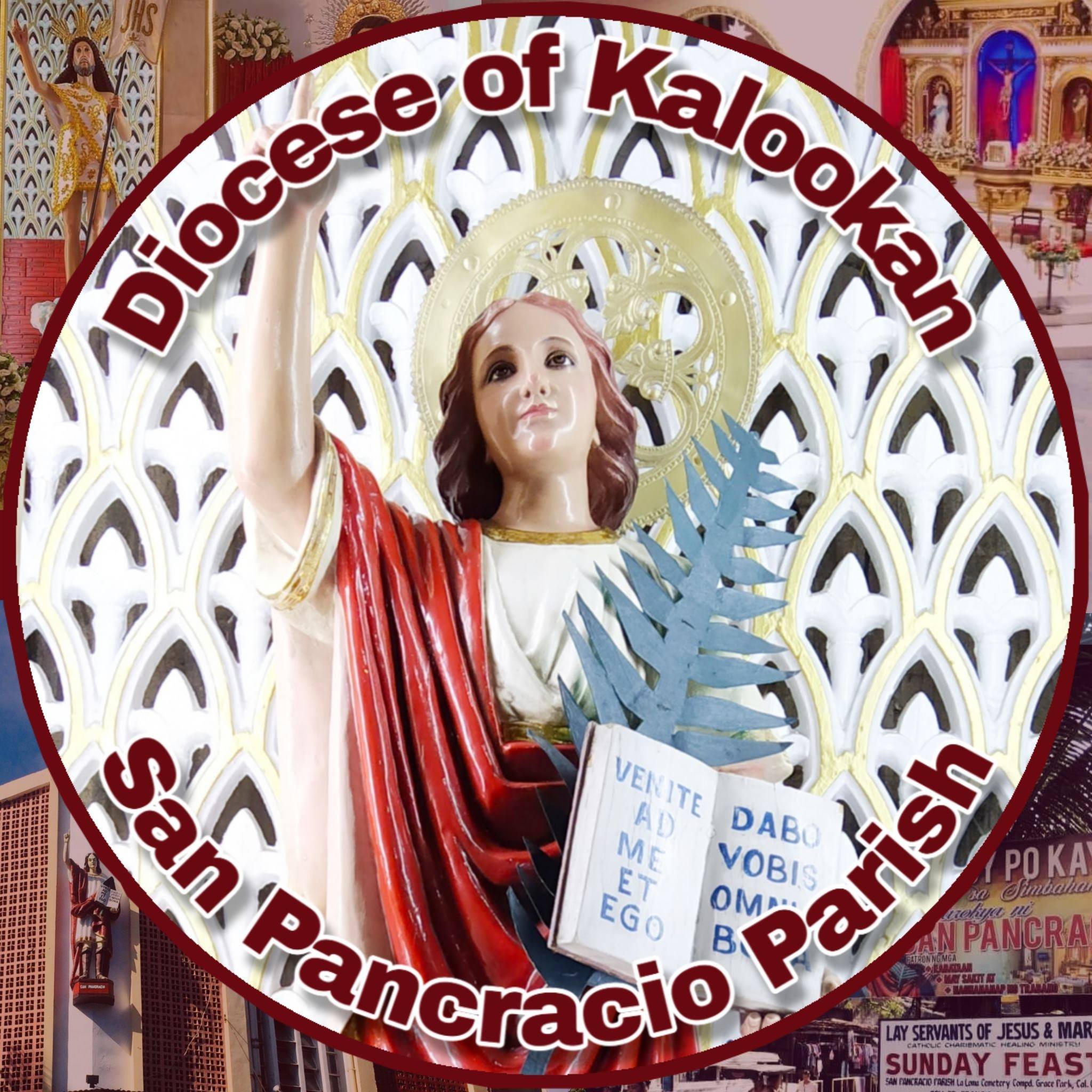
| Iconography | Young soldier or boy holding a sword and a martyr's palm branch |
Early Life
Pancras was born around 289 AD in Sinnada, a town in the Roman province of Phrygia — in what is now modern-day Turkey. He was born into a wealthy family of Roman origin. Tragedy struck early: his mother, Cyriada, died during childbirth, and his father, Cleonius, passed away when Pancras was only eight years old.
Orphaned but not abandoned, Pancras was entrusted to the care of his uncle, Dionysius (also known as Denis). Dionysius loved his nephew deeply and, around 299 AD, brought the young Pancras on a journey to Rome — the center of culture, politics, and power in the ancient world — to broaden his education and introduce him to his extended family. Neither of them could have known that this journey would lead to the most defining transformation of their lives.
Conversion to Christianity
Upon arriving in Rome, Pancras and his uncle Dionysius came into contact with the Christian community. The Gospel touched their hearts profoundly. Both uncle and nephew chose to receive Baptism and the Eucharist, embracing the Christian faith at a time when doing so was increasingly dangerous.
Emperor Diocletian had begun a systematic and violent persecution of Christians throughout the Roman Empire. Christians were commanded to offer sacrifice to the Roman gods or face imprisonment and death. Despite this climate of fear, Pancras and his uncle held firm to their new faith with remarkable steadiness.
Key Moments in His Life
289 AD — Birth
Born in Sinnada, Phrygia (Turkey) into a wealthy Roman family. Mother died at his birth; father died when he was eight.
c. 299 AD — Journey to Rome
Uncle Dionysius brings Pancras to Rome for education. They encounter the Christian community and receive Baptism and the Eucharist.
303 AD — Persecution Begins
Emperor Diocletian unleashes a violent persecution. Christians are forced to sacrifice to Roman gods or face death. Pancras refuses.
304 AD — Martyrdom
Brought before Diocletian at age 14, Pancras refuses to renounce his faith. He is beheaded on the Via Aurelia on May 12, 304 AD.
c. 500 AD — Basilica Built
Pope Symmachus orders a Basilica built over Pancras' tomb on the Via Aurelia. The church still stands today as the San Pancrazio Minor Basilica.
The Martyrdom
In 304 AD, the fourteen-year-old Pancras was brought before the authorities and commanded to offer sacrifice to the Roman gods. Tradition holds that he was presented before Emperor Diocletian himself, who was struck by the boy's remarkable courage and composure. The emperor offered Pancras wealth, honor, and a bright political future — if only he would burn a single offering of incense to the gods.
Pancras refused without hesitation. According to a 13th-century legend, he replied to the emperor: "Though I am a child in body, my heart is old, and by the virtue of my Lord Jesus Christ, your threats and menaces move me no more than does the painting that I see upon the wall."
Outraged, Diocletian ordered that both Pancras and his uncle Dionysius be executed by beheading on the Via Aurelia, one of Rome's great roads, on May 12, 304 AD. A Roman matron named Ottavilla retrieved the body of Pancras, anointed it with balsam, wrapped it in precious linens, and buried it in a newly hewn tomb in the Catacombs of Rome. The inscription at the site of his execution still reads: "Hic decollatus est Sanctus Pancratius" — "St. Pancras was beheaded here."
Legacy & Veneration
Devotion to San Pancracio spread rapidly throughout the world. Pope Symmachus (498–514 AD) built a basilica over his tomb, which was later enlarged by Pope Honorius I. Pope Gregory the Great sent relics of St. Pancras with St. Augustine of Canterbury on the Christian mission to England in 595 AD, and the first church Augustine founded in England was dedicated to St. Pancras. A famous district in London — and the iconic St. Pancras railway station — bear his name to this day.
In the Philippines, San Pancracio is especially beloved as the patron of workers and those seeking employment. His image — typically depicted as a young man in Roman attire holding a palm branch — is placed in homes, shops, and businesses as a symbol of prosperity, protection, and blessing. The parish of San Pancracio in Caloocan City proudly bears his name and carries on his legacy of faith and service.
Prayer to San Pancracio
"San Pancracio, young martyr and patron of workers, you who chose death over the denial of your faith, intercede for us before God. Grant us strength in our trials, courage in our convictions, and the blessing of honest work. May your example of youthful faith inspire all who seek your intercession. Amen."